
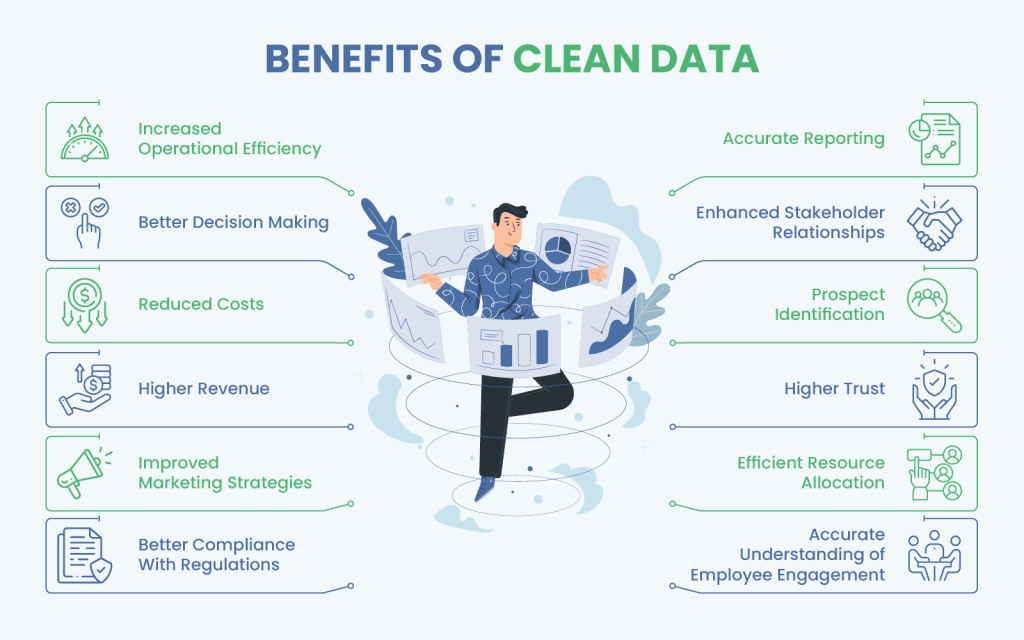
Data is one of the most valuable assets a nonprofit organization has—but only if it’s clean, accurate, and usable.
Too often, nonprofit teams are working with donor data that is outdated, duplicated, incomplete, or inconsistent. While this may seem like a back-office issue, the consequences of messy data show up everywhere: ineffective fundraising, poor donor experiences, staff burnout, and missed opportunities for growth.
Clean data isn’t just about organization—it’s about strategy, stewardship, and sustainability.
What Does “Clean Data” Really Mean?
Clean data is donor information that is:
- Accurate and up to date
- Free of duplicates and errors
- Consistently formatted
- Complete enough to be actionable
This includes names, contact information, giving history, engagement activity, preferences, and relationships. When data is clean, teams can trust it and when teams trust their data, they make better decisions.
Clean Data Directly Impacts Fundraising Performance
Fundraising strategies rely on insight. Without clean data, nonprofits struggle to understand who their donors are, how they give, and what motivates them.
Unclean data leads to:
- Donors receiving duplicate or irrelevant communications
- Missed major gift and upgrade opportunities
- Poor segmentation and personalization
- Lower retention and engagement
Clean data allows nonprofits to move from mass messaging to meaningful outreach, improving response rates and donor loyalty without increasing effort.
Donor Trust Starts With Good Data
Every interaction a donor has with your organization communicates something. Incorrect names, outdated contact information, or irrelevant messaging send an unintended message: we don’t really know you.
Clean data supports respectful, personalized communication that makes donors feel seen and valued. This strengthens trust and trust is the foundation of long-term philanthropy.
Clean Data Reduces Staff Burnout and Saves Time
When data is disorganized, staff spend countless hours fixing errors, searching for information, or working around broken systems. This inefficiency drains time and morale, especially in small teams.
Clean, well-structured data streamlines workflows, reduces frustration, and frees staff to focus on mission-driven work rather than constant cleanup.
Data Enables Better Strategy and Planning
Nonprofits with clean data can:
- Identify trends and forecast revenue
- Track donor journeys and engagement
- Evaluate what’s working—and what’s not
- Make informed decisions about campaigns and investments.
Without clean data, strategy becomes guesswork. With it, planning becomes proactive and confident.
How Philanthrometric Supports Clean, Actionable Data
At Philanthrometric, we believe data should serve people, not overwhelm them. Our data services are designed to help nonprofits move beyond spreadsheets and underused systems toward clear, actionable insight.
We support organizations by:
- Auditing and cleaning donor databases
- Eliminating duplicates and inconsistencies
- Standardizing data structures for long-term use
- Translating data into strategic insight—not just reports
- Aligning data with donor experience and fundraising goals
Our approach connects clean data directly to donor engagement, fundraising strategy, and organizational sustainability.
Clean Data Is Not a One-Time Project—It’s a Culture
Maintaining clean data isn’t about perfection; it’s about intention. Organizations that treat data as a strategic asset—not an administrative burden—are better positioned to grow, adapt, and build meaningful donor relationships.
With the right systems, processes, and support, clean data becomes a powerful tool for clarity, connection, and confidence.
The Takeaway
Clean data is foundational to effective fundraising, strong donor relationships, and healthy nonprofit operations. It enables organizations to work smarter, communicate better, and steward donors with care.
At Philanthrometric, we help nonprofits transform messy data into meaningful insight, so they can focus less on fixing information and more on fulfilling their mission.
 Philanthrometric Consulting
Leave a comment